Join our webinar series on Storytelling with Data and discover how raw numbers can be transformed into compelling narratives that spark interest and deliver meaningful insights. In today’s data-driven world, numbers alone aren’t enough — you need to communicate them with clarity and purpose to truly engage your audience and create impact.
Throughout the series, you’ll see examples of data stories, along with behind-the-scenes insights into how these stories are crafted for different audiences. We’ll also examine how practical considerations and public perception can shape the structure of a story — and influence which data points take center stage.
All meetings are online via MS Teams and start at 16.00 and end ± 16.45h. If you register, you will receive the Teams-link in a separate email before the meeting.
Note: the meetings will not be recorded.
Research into mediaconsumption shows that, especially the younger generations, get most of their news via social media and operate by a ‘news finds me’ principle. In a time of fake news, let’s offer truth and facts on every relevant platform in a way that speaks to users. Let’s put our ego’s aside and embrace simplification. Also; maybe we can make it a little fun from time to time.
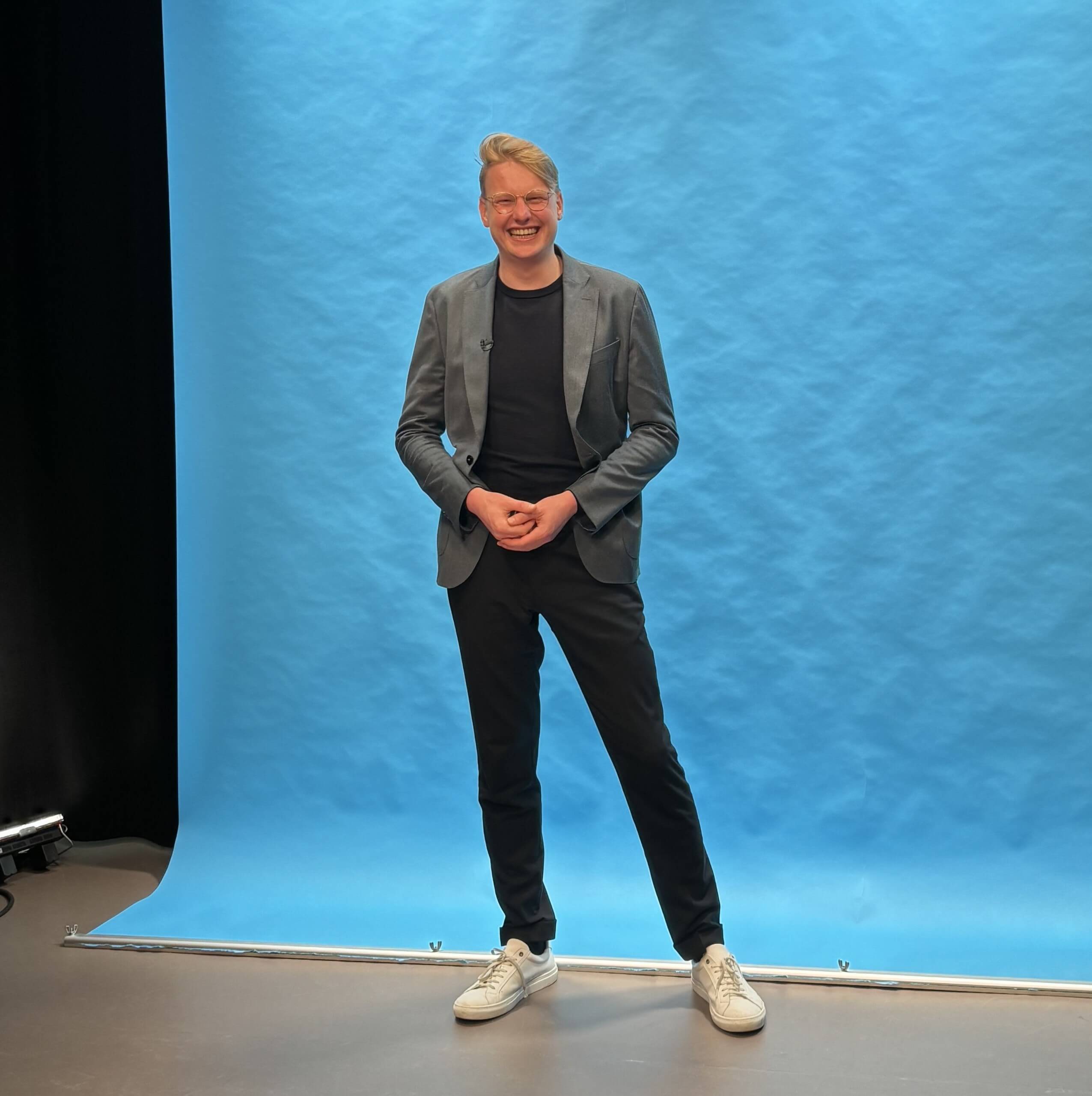
Luuk Hovius, Spokesperson & Researcher, Statistics Netherlands (CBS)
Years ago, during an internship at a national news agency (NOS), Luuk fell in love with the places and points where science and media meet. Now he works as a spokesperson at Statistics Netherlands (CBS) where on the one hand he makes newsarticles and gives interviews for the ‘traditional media’ (television, radio and newspapers) and on the other hand tries to implement a marriage between socials and statistics.
Many hospitals in the Netherlands collect data about their patients, yet communicating these data back to patients is not current practice. Does knowing your specific risk for a certain side effect scare patients, or does it give them a sense of control? Can patient stories (narratives about a patient journey) also make use of data and what are possible downsides of doing so?
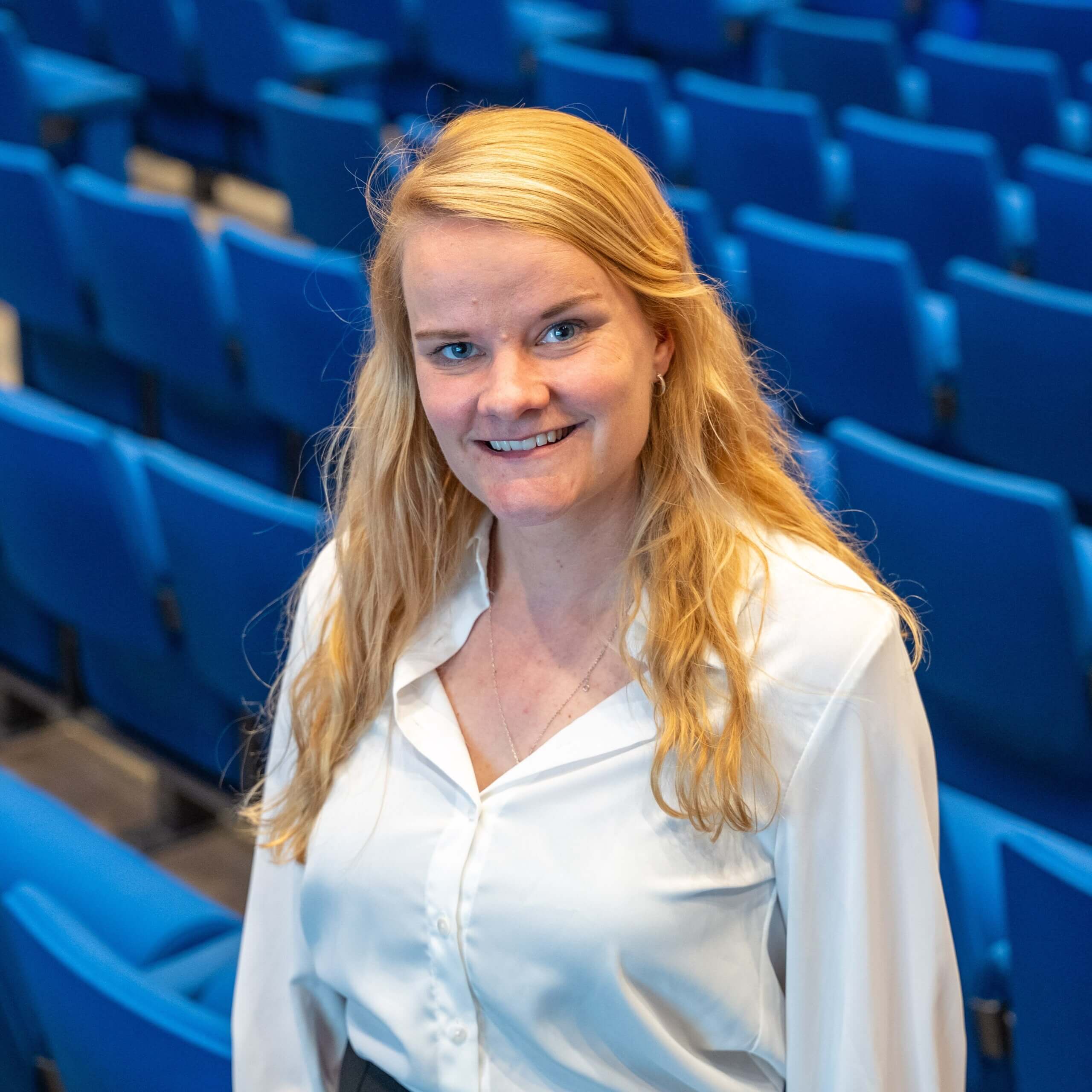
Saar Hommes, postdoctoral researcher at the Academic Collaborative Center for Digital Health & Mental Wellbeing, Tilburg University.
Saar Hommes is a health communication scientists specialised in how data can be used in digital health applications for patients with different diseases. She works at the Academic Collaborative Center for Digital Health & Mental Wellbeing, a place where researchers and practice stakeholders (such as health care professionals, patients, eHealth developers, municipalities and GGZ-workers) collaborate on different topics with the aim of improving health care practice.